
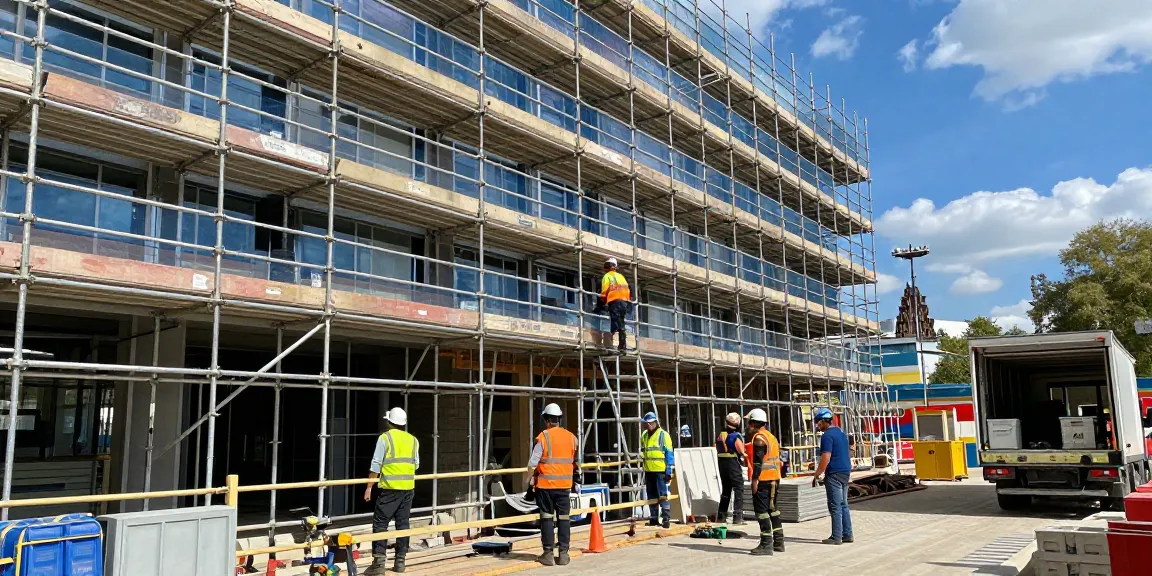
Understanding Commercial Scaffolding Needs
In the dynamic world of construction, commercial scaffolding has become an essential service catering to a variety of building projects. It serves as a critical support system enabling construction work to be conducted safely and efficiently at various heights. With the unique challenges presented by commercial projects, understanding the specific needs and solutions related to scaffolding is vital for contractors, architects, and project managers alike.
What Is Commercial Scaffolding?
Commercial scaffolding refers to temporary structures designed to support workers and materials during the construction, renovation, or maintenance of commercial buildings. These scaffolding systems can range from simple platforms to complex frameworks that provide access to high-rise buildings. They are engineered to meet the exact specifications required for different projects, ensuring stability, safety, and accessibility.
Key Benefits of Using Commercial Scaffolding
- Enhanced Safety: Scaffolding minimizes hazards by providing a secure working platform for construction teams.
- Increased Efficiency: Workers can easily access various parts of a building, ensuring tasks are completed swiftly and effectively.
- Versatility: Scaffolding can be adapted to fit any project size or type, whether it involves a low-rise retail outlet or a multi-storey office building.
- Cost-Effectiveness: Investing in proper scaffolding can reduce the likelihood of accidents and project delays, ultimately saving money.
Identifying Different Types of Commercial Projects
Commercial scaffolding is applicable in various types of projects including:
- New Construction: Scaffolding is essential for new builds, offering workers safe access to different building levels.
- Renovations: During renovations, scaffolding enables structural repairs and aesthetic enhancements with ease.
- Restorations: Historical restoration projects often require specialized scaffolding to ensure the integrity of the structure is maintained.
- Roof Extensions: Scaffolding provides necessary support for workers during the installation of new roof structures.
Planning Your Scaffolding Project
Effective scaffolding project planning is crucial for successful outcomes in both safety and efficiency. Understanding the planning process will help stakeholders ensure that scaffolding is appropriately designed and implemented, leading to smoother project execution.
Essential Steps for Effective Project Planning
- Assessment of Project Requirements: Identify the specific needs of the project, including height, load-bearing requirements, and access points.
- Site Evaluation: Conduct thorough evaluations of the site to understand the environment and conditions that may affect scaffolding.
- Designing the Scaffolding System: Work with experienced professionals to design the scaffolding system that best suits the project’s needs.
- Budget Planning: Allocate adequate funds for materials and labor, factoring in potential contingencies.
Obtaining Necessary Permits and Licenses
Before erecting scaffolding, it is essential to obtain the necessary local building permits and licenses. These can vary significantly depending on the project’s location and scope. Engaging with local authorities early in the planning process can ensure compliance with all regulations, avoiding costly fines and delays.
Setting Realistic Timelines and Budgets
Creating a timeline that accurately reflects the phases of the project is crucial for effective management. Consider factors such as weather conditions, availability of materials, and labor schedules. Establishing a detailed budget that includes contingencies for unexpected expenses will also help in maintaining financial control throughout the project lifecycle.
Scaffolding Erection and Dismantling Services
The erection and dismantling of scaffolding are critical components of ensuring that scaffolding is both safe for workers and effective for the project. Engaging professional scaffolding services can significantly reduce risks associated with these processes.
Best Practices for Safe Erection and Dismantling
- Follow manufacturer guidelines: Always adhere to the specifications and instructions provided by the scaffolding manufacturer.
- Conduct pre-erection inspections: Before erecting scaffolding, ensure all components are in good condition and free from defects.
- Use qualified personnel: Only trained and experienced workers should handle scaffolding erection and dismantling.
- Implement safety measures: Ensure that guardrails and safety nets are in place as required to protect workers.
Utilizing Professional Services vs. DIY
While the DIY approach may seem cost-effective, utilizing professional scaffolding services offers numerous advantages, including expertise, safety compliance, and efficiency. Professionals are trained to navigate scaffolding regulations and are equipped to handle unexpected challenges during the project.
Common Challenges in Scaffolding Projects
Common challenges during scaffolding projects can include:
- Weather Conditions: Adverse weather can affect both the erection and dismantling of scaffolding.
- Site Limitations: Tight or complex sites may limit the type of scaffolding that can be erected.
- Pace of Construction: Changes in project timelines can lead to rushed or improperly erected scaffolding.
Ensuring Safety and Compliance in Scaffolding
Safety in scaffolding is paramount. Understanding and adhering to safety regulations ensures not only the protection of workers but also compliance with legal standards.
Understanding Safety Regulations and Standards
In the UK, scaffolding must comply with standards outlined in documents like the Work at Height Regulations 2005 and the relevant British Standards. Frequent training and updates on these regulations are essential for all personnel involved in scaffolding operations.
Implementing Scafftag Inspection Services
Utilizing Scafftag inspection services can greatly enhance safety. This system involves tagging each scaffold unit with inspection information, indicating whether it is safe to use or if it requires attention. Regular inspections, typically conducted every seven days, ensure that scaffolding remains compliant and adequately safe for use.
Training Workers on Safety Protocols
Continuous training for workers on safety protocols and best practices is crucial. Training should include proper usage, inspection, and maintenance of scaffolding, as well as emergency procedures. A well-informed workforce is integral to maintaining a safe work environment.
Future Trends in Commercial Scaffolding
The scaffolding industry is currently undergoing significant changes, driven by advancements in technology and shifts in regulatory requirements. Understanding these trends can help businesses stay ahead of the curve.
Innovations in Scaffolding Technology
Emerging technologies such as 3D modeling and virtual reality are beginning to reshape how scaffolding is designed and implemented. These technologies enable more accurate planning and risk assessment, leading to improved safety and efficiency.
Predicting Scaffolding Industry Changes in 2026
As the construction industry evolves, the scaffolding sector will likely see increased demand for sustainable materials, automated scaffolding systems, and enhanced training programs. By 2026, the integration of advanced technologies in scaffolding design and management may become standard.
Environmental Considerations and Sustainable Practices
With growing emphasis on sustainability, the scaffolding industry is leaning towards more eco-friendly materials and practices. This includes using recycled materials, reducing waste during scaffolding operations, and implementing energy-efficient practices to minimize environmental impact.
What are the primary types of scaffolding used in construction?
The primary types of scaffolding include frame scaffolding, modular scaffolding, suspended scaffolding, and system scaffolding. Each type has specific applications based on the project’s size and complexity.
How does scaffolding enhance safety at construction sites?
Scaffolding provides a stable and secure platform for workers, significantly reducing the risk of falls and injuries. Properly erected scaffolding offers access to areas that may otherwise be unsafe to reach directly.
What permits are required for scaffolding projects?
Permits may vary by location, but typically, a building permit and possibly a sidewalk closure permit will be needed, especially in urban settings where scaffolding may affect public areas.
How can I choose a reliable scaffolding company?
When selecting a scaffolding company, consider their experience, reputation, safety standards, and service offerings. Verification of licenses and insurance coverage is also critical to ensuring reliability.
What trends should I watch for in scaffolding safety equipment?
Emerging trends in scaffolding safety equipment include the development of smart safety gear, enhanced fall protection systems, and innovations in guardrail technology to meet more stringent safety regulations.
