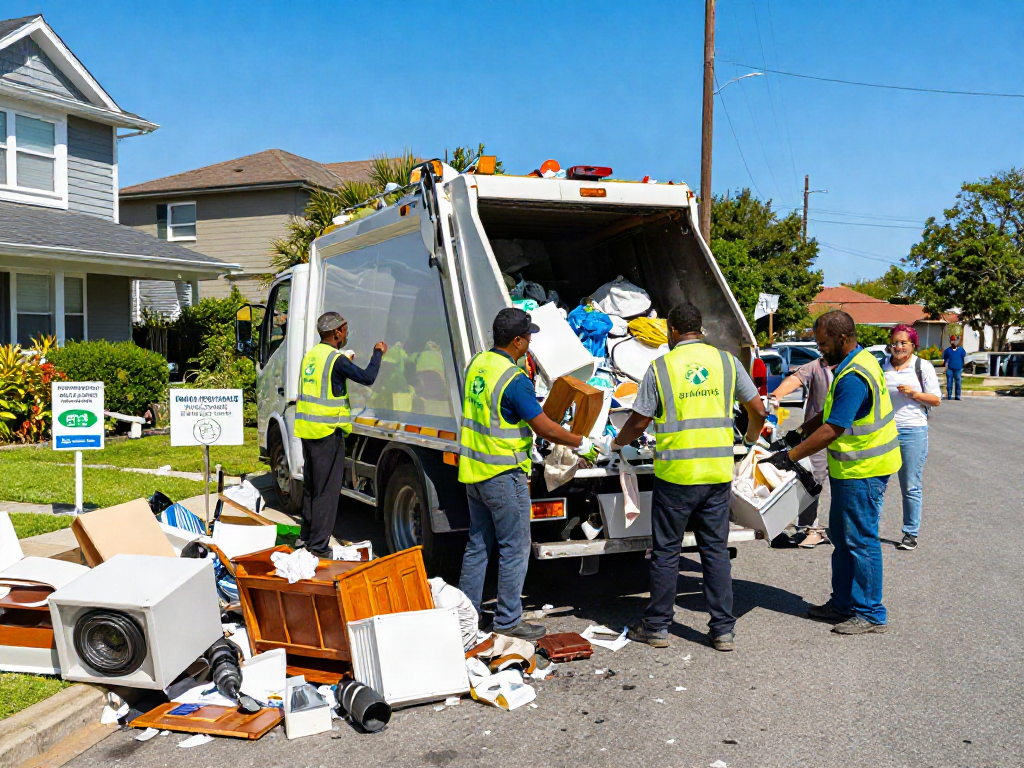
Understanding the Importance of Waste Removals
Waste removal is not just a necessary task but an integral aspect of maintaining a sustainable environment. With urban populations growing, efficient waste management has become increasingly crucial. Effective waste removals help in reducing landfill overflow, lowering pollution levels, and conserving resources. Understanding the importance of waste removals can guide individuals and businesses alike in making informed decisions about their waste management practices.
What are Waste Removals?
Waste removals involve the collection, transportation, and disposal of waste materials. This process can encompass various types of waste, including household rubbish, construction debris, hazardous materials, and electronic waste. Waste removal services can be provided by local authorities or private firms, and they are essential for keeping communities clean and safe. Effective waste management ensures that waste is processed in a manner that minimizes environmental impact and maximizes resource recovery.
Environmental Impact of Inefficient Waste Management
Poor waste management practices can lead to severe environmental consequences. When waste is not properly disposed of, it can contribute to soil and water pollution, the proliferation of pests, and increased greenhouse gas emissions. Landfills, often seen as a 'solution', can become ecological disasters as they leach toxic substances into the ground and emit methane, a potent greenhouse gas. Furthermore, improper disposal of waste can lead to resource depletion as recyclables and compostables are sent to landfills rather than being repurposed.
Legal Regulations Surrounding Waste Removals
In the UK, waste management is governed by strict regulations aimed at protecting public health and the environment. The Environmental Protection Act 1990 establishes guidelines for waste disposal, requiring all waste carriers to be registered and hold appropriate licenses. Local authorities also enforce specific regulations regarding the collection and disposal of residential waste. Keeping up-to-date with these regulations is critical for businesses and individuals involved in waste management to avoid legal repercussions and contribute positively to environmental sustainability.
Innovative Strategies for Effective Waste Removals
To tackle the challenges associated with waste removals, many organisations are adopting innovative strategies that leverage technology and best practices. By implementing advanced methods, they can increase efficiency and reduce environmental impact.
Utilising Technology in Waste Management
The integration of technology in waste management has revolutionised how waste is collected and processed. Innovations like smart bins, which monitor fill levels and optimise collection routes, are becoming commonplace in urban settings. Furthermore, data analytics can help identify waste generation patterns, enabling better planning and resource allocation. Virtual reality training programs are also being introduced to improve safety and operational efficiency for waste removal staff.
Best Practices for Residential Waste Removals
For households, adopting best practices in waste management can lead to significant improvements in how waste is handled. These include:
- Segregation of Waste: Separating recyclables, compostables, and general waste helps in better processing and reduces landfill contributions.
- Using Local Services: Engaging local waste removal services can enhance community involvement and promote regional recycling efforts.
- Encouraging Reuse: Finding new uses for items can reduce waste significantly. Donation centres and swaps can facilitate this.
Case Studies of Successful Waste Removal Projects
There are numerous examples of successful waste removal projects around the UK that highlight effective practices. One such project in London focused on a neighbourhood that implemented a zero-waste initiative. With community workshops on composting and recycling, they achieved a reduction in general waste by 40% in just one year. Such case studies serve as inspiration for other communities looking to improve their waste management strategies.
Common Challenges in the Waste Removals Industry
Despite advancements in waste management, several challenges persist that require collaborative efforts to overcome.
Identifying Key Obstacles in Waste Management
One of the primary obstacles in waste removals is public apathy towards recycling and waste reduction efforts. Many individuals are unaware of the benefits of effective waste management or may find the process too cumbersome. Education and outreach initiatives are vital in changing perceptions and encouraging more proactive behaviours regarding waste.
Addressing Public Perception and Engagement
Public engagement is essential to the effectiveness of waste removal services. Communities need to understand the impact of their waste and the importance of participating in waste reduction efforts. Campaigns that involve local residents, such as clean-up drives or educational workshops, can foster a sense of ownership and responsibility towards waste management.
Logistical Issues Faced by Waste Removal Teams
Logistics in waste management can be complex, involving everything from scheduling collection services to optimising vehicle routes. Traffic congestion, roadworks, and seasonal demand fluctuations can disrupt service delivery. Advanced planning and adaptive strategies are necessary to navigate these challenges effectively.
Future Trends in Waste Removals by 2026
As society moves towards a more sustainable future, the waste removals industry will need to adapt to emerging trends and changes in regulations.
Emerging Technologies and Their Implications
By 2026, we can expect to see enhanced automation and robotics in waste management services. Automated sorting facilities will improve efficiency and accuracy in separating materials for recycling. Furthermore, the integration of artificial intelligence for route optimisation will significantly reduce fuel consumption and operational costs.
Shifts in Regulation and Compliance Practices
As awareness of environmental issues grows, regulatory bodies will introduce stricter compliance measures. This will likely include more stringent recycling targets and penalties for non-compliance. Businesses must stay informed about these changes to remain compliant and sustainable.
Community Involvement and Environmental Sustainability
Encouraging community involvement in waste removal initiatives will become more critical. Local governments and organisations will likely focus on developing partnerships to enhance public participation and drive sustainable practices. Increased funding for community-led projects will also play a vital role in shaping waste management strategies.
Measuring Success in Waste Removals
Understanding the effectiveness of waste removal strategies is crucial for ongoing improvement. Several key performance indicators (KPIs) can provide insight into success.
Key Performance Indicators for Waste Management
Common KPIs in waste management include:
- Volume of waste diverted from landfills
- Quantity of recyclables recovered
- Customer satisfaction ratings
Monitoring these metrics allows waste management services to refine their processes continuously and improve community engagement.
Assessing Community Feedback and Satisfaction
Regular feedback from the community can help waste management services tailor their offerings to meet residents' needs better. Surveys and public forums can effectively gather insights and foster trust between service providers and residents.
Evaluating Environmental Impact Metrics
To measure the environmental impact, waste management services should assess metrics like carbon footprint reduction, increases in recycling rates, and ecosystem health indicators. Publicising these metrics can enhance community engagement and highlight the importance of effective waste management.
What are the costs associated with waste removals?
The costs associated with waste removals can vary widely based on factors such as the volume of waste, type of materials, and service frequency. Generally, residential waste removal services may charge a fixed fee, whereas commercial services often have variable pricing based on waste quantity and specific requirements.
How can I prepare for a waste removals service?
Preparing for a waste removals service involves several steps. Homeowners should ensure that waste is properly sorted and accessible for collection. This may include placing bins at designated collection points and ensuring that bulky items are ready for pickup. It is also helpful to consult with the waste removal service ahead of time to confirm any specific requirements they may have.
What items are typically accepted in waste removals?
Most waste removals services accept general household rubbish, garden waste, and recyclable materials like paper, cardboard, plastic, and metals. However, it is crucial to check with the service provider for restrictions, particularly regarding hazardous materials or electronic waste, which may require special handling.
How do waste removals impact local communities?
Effective waste removals contribute positively to local communities by reducing litter, improving public health, and enhancing the overall aesthetics of the environment. Cleaner communities can lead to increased property values and a greater sense of pride among residents.
What are eco-friendly options for waste removals?
Many waste removals services now offer eco-friendly options, such as recycling programmes and composting services. Engaging with providers that prioritise sustainability ensures that waste is handled in a manner that minimises environmental impact and maximises resource recovery.