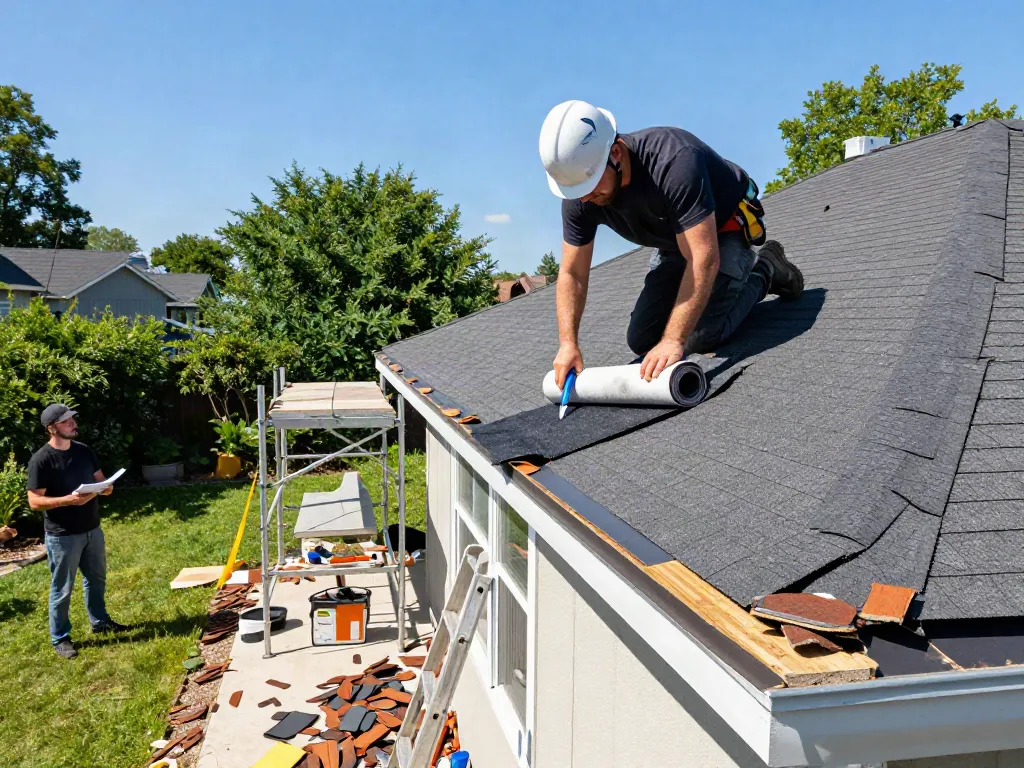
Understanding Felt Roof Replacement
Felt roofing is a popular and practical solution for flat roofs, commonly used in a variety of residential and commercial applications. As homeowners invest in their property's longevity, understanding the nuances of felt roof replacement becomes essential. This guide provides key insights into the materials, process, and maintenance of felt roofs, empowering homeowners to make informed decisions about their roofing projects. When exploring options, felt roof replacement provides comprehensive insights to ensure durability and performance.
What is Felt Roofing?
Felt roofing involves the application of multiple layers of specialized roofing felt material, typically made from bitumen, to create a waterproof seal over flat roof structures. This method has evolved over the years, transitioning from simple, single-layer systems to modern multi-layer applications that enhance durability and performance. Felt roofs are lightweight, can be applied over existing roofing materials, and are often used in areas where water drainage is less efficient, making them a favorable choice for flat roofs.
Common Uses and Benefits of Felt Roofs
Felt roofs are commonly found in various applications, including:
- Garages
- Extensions
- Sheds
- Balconies
- Commercial buildings
The benefits of felt roofing include its cost-effectiveness, ease of installation, and adaptability. Modern felt materials offer robust waterproofing capabilities while providing insulation and energy efficiency. Additionally, felt roofs can withstand varying weather conditions, making them suitable for many climates.
Indicators Your Roof Needs Replacement
Recognizing when your felt roof requires replacement is critical for preventing further damage and costly repairs. Key indicators include:
- Visible cracks or blisters on the surface
- Water stains inside your building or on ceilings
- Excessive granule loss from the roofing felt
- Pooling water on the roof surface
- Age of the roof exceeding 15-20 years
Selecting the Right Materials for Felt Roof Replacement
Types of Felt Roofing Materials Available
When considering a felt roof replacement, select from various materials that best fit your needs. The primary options include:
- Bitumen Felt: The traditional choice, bitumen felt is affordable yet may lack longevity without proper maintenance.
- Torch-On Felt: This method involves heating the felt to fuse it directly to the substrate, providing a strong waterproof seal.
- Modified Bitumen: This advanced option includes additives that enhance performance and lifespan, making it ideal for high-traffic roofs.
- Eco-Friendly Alternatives: Explore green options utilizing sustainable materials if environmental impact is a concern.
Comparing Costs of Different Felt Systems
The cost of felt roof replacement can vary widely based on material choice, roof size, and complexity of installation. Typical costs range from £40 to £100 per square meter, depending on the system chosen and labor costs in your area. For example:
- Bitumen felt systems typically range from £40 to £60 per square meter.
- Torch-on felt may cost between £60 and £80 per square meter due to the required skill and equipment.
- Modified bitumen systems might be on the higher end, ranging from £80 to £100 per square meter.
Environmental Considerations in Material Selection
Choosing environmentally friendly roofing materials can not only reduce your carbon footprint but also enhance your property's energy efficiency. Look for products that:
- Use recycled materials
- Offer energy-efficient benefits such as reflective surfaces
- Are manufactured with sustainable practices in mind
Finding Trusted Roofing Contractors
How to Verify a Roofer's Credentials
Choosing a reliable contractor is crucial for ensuring quality work and avoiding potential pitfalls. Verify credentials by checking:
- Licenses and insurance coverage
- Membership in roofing associations
- Online reviews and testimonials
- Previous project portfolios
Questions to Ask Potential Contractors
Before hiring a contractor, ensure you've addressed the following questions:
- How long have you been in business?
- Can you provide references from previous clients?
- What is your warranty on the materials and workmanship?
- How will you handle unexpected issues during the project?
Understanding Quotation Breakdown
When receiving quotes, request detailed breakdowns that explain all costs involved. A transparent quotation should include:
- Labor costs
- Material specifications
- Expected timeline for the project
- Cleanup and disposal fees
Understanding this breakdown can help you compare offers more effectively.
The Process of Roof Replacement
Step-by-Step Guide to Replacing a Felt Roof
Replacing a felt roof generally involves the following steps:
- Inspection: Assess the current condition of the roof and determine if replacement is necessary.
- Preparation: Clear the roof surface of debris and old material, ensuring a clean working area.
- Installation: Apply the new felt as per manufacturer guidelines, ensuring all seams are sealed properly.
- Inspection: Conduct a final inspection to ensure quality and compliance with regulations.
Common Challenges During Replacement
Roof replacement can present various challenges, such as:
- Unforeseen structural damage revealed during the project
- Weather-related delays affecting timelines
- Disposal of old roofing materials and associated costs
Expected Timeframes for Completion
The time required for a felt roof replacement typically varies based on factors like roof size and complexity. However, most projects can be completed within a few days to a week, barring unexpected complications.
Post-Replacement Care and Maintenance
How to Maintain Your New Felt Roof
Maintaining your new felt roof is crucial for prolonging its life. Regular maintenance should include:
- Inspecting for signs of damage at least twice a year.
- Cleaning gutters and drains to prevent water pooling.
- Trimming overhanging branches that could damage the roof surface.
Signs of Wear and When to Call a Professional
Keep an eye out for erosion, bubbling, or lifting of the felt material. If you notice any of these signs, it’s wise to consult a professional roofer to assess the situation before further damage occurs.
Future-Proofing Your Roof Against Climate Changes
With climate change impacting weather patterns, consider integrating advanced materials and technologies that enhance durability and resilience against extreme weather events. Options such as reflective coatings or integrated insulation can improve overall performance.
Can I replace the felt roof myself?
While some confident DIYers may attempt felt roof replacement, it is typically recommended to hire professionals for quality assurance and safety. Additionally, improper installation can void warranties and lead to costly repairs later.
What is the life expectancy of a felt roof?
Modern felt roofs typically last between 15 to 25 years, depending on the quality of materials used and maintenance performed over their lifespan.
Should you remove old felt when replacing a roof?
In many cases, it is advisable to remove old felt to inspect the roof deck. However, if the existing material is in good condition and free of moisture or damage, it may be possible to apply new felt over it.
Can you put new felt on top of old felt?
Yes, it is possible to lay new felt over old felt, but this should only be done if the underlying material is in good condition and provides a solid base for the new layer.