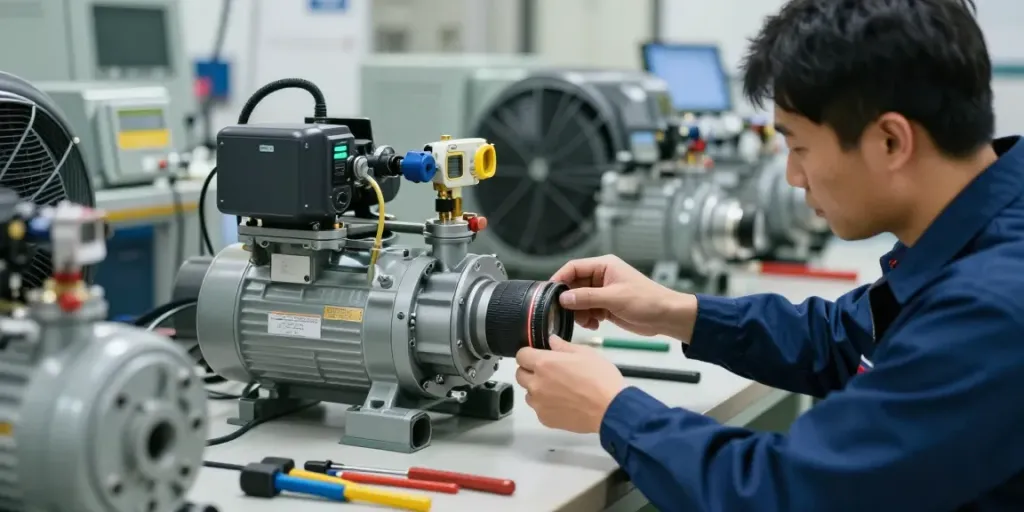
Understanding Water Pump Pressure Switches
Water pump pressure switches are essential components in the realm of pumping systems, ensuring that water flow remains consistent and reliable in various applications. These devices automatically control the activation and deactivation of water pumps based on preset pressure levels, delivering crucial functionality for both residential and industrial settings. When exploring options, water pump pressure switch systems are engineered to deliver optimal performance and long-term reliability, making them a staple for any serious operator aiming for efficient water management.
What is a Water Pump Pressure Switch?
A water pump pressure switch is an automatic device designed to control the operation of a water pump by monitoring the water pressure in a connected system. When the pressure falls below a set lower threshold (cut-in pressure), the switch activates the pump to replenish the system. Conversely, when the pressure rises above a certain upper limit (cut-off pressure), the switch turns off the pump to prevent over-pressurization. This management ensures that the system maintains a steady water supply while protecting against potential damage due to uncontrolled pressures.
Key Functions and Applications
- Automatic Control: Provides seamless operation of pumps, ensuring they run only when necessary to maintain desired pressure levels.
- Energy Efficiency: Reduces unnecessary power consumption by preventing pumps from running continuously.
- System Protection: Prevents damage to pumps, pipes, and fixtures caused by dry running and over-pressurization.
- Versatile Usage: Commonly used in residential water systems, agricultural irrigation, and industrial water management.
Types of Pressure Switches Available
Pressure switches can vary significantly in design and functionality. Here are the most common types:
- Electromechanical Pressure Switches: Utilize a mechanical diaphragm combined with an electrical switch to operate. These are favored for their simplicity and reliability.
- Electronic Pressure Switches: Incorporate electronic components for more precise pressure measurement and increased functionality, often providing digital readouts and alarms.
- Adjustable Pressure Switches: Allow users to set custom cut-in and cut-off pressures, providing flexibility for specific system needs.
Choosing the Right Water Pump Pressure Switch
Selecting an appropriate water pump pressure switch requires a thorough understanding of your application and requirements. Here are key factors to consider:
Factors to Consider for Your Application
- Pressure Range: Identify the operational pressure range of your system to select a switch with compatible cut-in and cut-off settings.
- Compatibility: Ensure the switch can be integrated into your existing pump system without requiring significant modifications.
- Durability: Look for switches made with high-quality materials to withstand the environment in which they will be used, particularly in demanding settings.
- Response Time: Consider how quickly the switch can react to pressure changes, which can be crucial for protecting sensitive equipment.
Industry Standards and Compliance
When selecting a pressure switch, it’s essential to adhere to industry standards and regulations for safety and efficiency. Look for products that comply with standards set by organizations such as the American National Standards Institute (ANSI) and the International Electrotechnical Commission (IEC). Compliance ensures that the switch not only meets safety benchmarks but also operates efficiently within its intended application.
Common Misconceptions About Pressure Switches
Some users may misunderstand the capabilities of pressure switches, leading to improper selection or installation. Here are a few common misconceptions:
- All Pressure Switches Are the Same: While they serve a similar purpose, different types and models are specifically designed for various applications and environments.
- Higher Pressure Ratings Mean Better Performance: A switch must match the requirements of the specific system in which it will be used. Over-specifying could lead to unnecessary costs.
- Installation Does Not Matter: Proper installation is critical for the reliable operation of pressure switches, and improper setup can lead to failure or inaccurate readings.
Installation and Maintenance Best Practices
Correct installation and ongoing maintenance are vital to ensure the longevity and reliability of water pump pressure switches. Here’s how to achieve that:
Step-by-Step Installation Guide
- Ensure power is disconnected from the pump system before beginning installation.
- Identify the correct mounting location for the pressure switch, ideally in a dry and accessible area.
- Connect the pressure switch to the pump system following the manufacturer’s wiring diagram.
- Set the cut-in and cut-off pressure settings according to your system requirements.
- Reconnect power and test the system to ensure the switch operates correctly.
Routine Maintenance to Ensure Longevity
Regular maintenance checks can help you extend the life of your pressure switch and overall system:
- Inspect electrical connections for wear and corrosion.
- Check the pressure settings periodically to ensure they remain within the desired range.
- Clean any debris or obstructions that could affect the performance of the pressure sensor.
Troubleshooting Common Issues
Even the best-installed pressure switches can experience issues over time. Here’s how to troubleshoot common problems:
- Switch Not Activating: Check the power supply and connections; ensure the pressure sensor is not clogged.
- Frequent Cycling: This could indicate incorrect pressure settings or a malfunctioning pump; review settings and inspect the pump.
- Inaccurate Readings: Ensure that the switch is calibrated and that there are no obstructions affecting the sensor.
Water Pump Pressure Switches in Different Industries
Water pump pressure switches find applications across various industries, each with unique demands and requirements:
Agricultural Applications for Optimal Irrigation
In agriculture, maintaining consistent irrigation pressure is critical. Pressure switches automate system functionalities, allowing pumps to operate efficiently and ensuring crops receive the right amount of water without over or under watering. This automation can significantly enhance yield while conserving resources.
Commercial Uses in High-Volume Settings
In commercial environments such as hotels, multi-story buildings, and industrial facilities, water pressure switches maintain stable water supply systems. They play a vital role in boosting water supply to various floors or sections of a facility, ensuring consistent performance across numerous applications.
Residential Water Pressure Control Solutions
For residential users, pressure switches control the water supply in homes, ensuring that appliances and fixtures receive adequate pressure. Systems equipped with quality pressure switches help avoid issues such as fluctuating water pressure, leaks, and wear on plumbing fixtures.
Future Trends in Water Pump Technology
The landscape of water pump technology is rapidly evolving. Here are some anticipated trends:
Innovations Expected by 2026
By 2026, we can expect significant advancements in sensor technology, leading to more precise pressure measurements and better integration with smart home systems. Expect to see water pump pressure switches that communicate with management systems to optimize performance and energy use.
The Impact of Automation on Pressure Switches
Automation is set to revolutionize the way pressure switches operate. More systems will incorporate IoT connectivity, allowing for remote monitoring and adjustment, enabling operators to respond to pressure changes in real time, thus enhancing operational efficiency and safety.
Eco-Friendly Solutions and Energy Efficiency
As sustainability becomes a priority, pressure switches will increasingly incorporate eco-friendly technologies that reduce energy consumption. Expect to see models designed to minimize waste and optimize water use, aligning with global efforts toward resource conservation.
How to Tell if a Water Pump Pressure Switch is Bad?
Indicators of a failing pressure switch include irregular pump cycling, failure to activate or deactivate at set pressures, and physical damage to the switch itself. Regular inspection can help identify these issues before they lead to significant problems.
How Do I Reset a Water Pump Pressure Switch?
Most water pump pressure switches can be reset by unplugging the system and then plugging it back in once pressure levels normalize. Check the manufacturer's guidelines for specific reset procedures to avoid damaging the switch.
Do I Need a 30/50 or 40/60 Pressure Switch?
The choice between a 30/50 or 40/60 pressure switch largely depends on your system's pressure requirements. A 30/50 switch is often adequate for smaller residential systems, while a 40/60 switch may be better suited for larger systems or those requiring higher pressure.
How to Adjust the Water Pump Pressure Control Switch?
Adjusting the water pump pressure switch typically involves turning the adjustment screws on the switch itself, according to the desired cut-in and cut-off pressures. Consult the manufacturer's documentation for specific instructions to ensure accurate settings.
What Are the Benefits of Using High-Quality Pressure Switches?
High-quality pressure switches provide enhanced reliability, greater accuracy, and increased lifespan compared to lower-quality alternatives. Investing in reliable switches can reduce maintenance costs and improve overall operational efficiency, making them a critical investment for any system.